
Do You Need Sunscreen Indoors? Dermatologists Explain Why
Many people apply sunscreen before going outdoors but skip it when staying inside. After all, if you're not under direct sunlight, do you really need sunscreen indoors? The answer may surprise you.
Modern lifestyles expose our skin to more than just outdoor sunlight. We spend hours near windows, working on laptops, scrolling through smartphones, and sitting under artificial lighting. These daily exposures can contribute to skin damage, pigmentation, and Premature aging over time.
Dermatologists increasingly recommend wearing sunscreen indoors, especially for people concerned about dark spots, uneven skin tone, tanning, and early signs of aging.
Let's explore why indoor sun protection matters and how you can keep your skin healthy every day.
Why Is Sunscreen Important?
Sunscreen acts as a protective barrier against ultraviolet (UV) radiation and other environmental stressors.
Without proper protection, your skin may experience:
Hyperpigmentation
Dark spots
Uneven skin tone
Premature wrinkles
Loss of skin elasticity
Sunburn
Increased signs of photoaging
Studies suggest that UV exposure is responsible for a significant percentage of visible skin aging. Daily protection helps reduce cumulative damage.
Can UV Rays Reach You Indoors?
UVA Rays Can Pass Through Windows
Many people believe windows block harmful sunlight completely.
However, standard glass blocks most UVB rays but allows a large portion of UVA rays to pass through.
UVA rays penetrate deeper into the skin and are associated with:
Premature aging
Fine lines
Wrinkles
Pigmentation
Collagen breakdown
If you sit near a window at home, in an office, or inside a car, your skin may still be exposed.
Working Near Windows Increases Exposure
You may need sunscreen indoors if you:
Work near large windows
Sit in naturally lit rooms
Spend long hours in offices with glass walls
Travel frequently in cars
Over time, this exposure can contribute to visible skin damage.
Does Blue Light Affect Your Skin?
Understanding Blue Light Exposure
Blue light is emitted from:
Smartphones
Tablets
Laptops
Computer monitors
LED lighting
While blue light exposure is lower than sunlight exposure, some studies suggest prolonged exposure may contribute to:
Pigmentation concerns
Oxidative stress
Skin aging
This is particularly relevant for people with melasma or post-inflammatory hyperpigmentation.
Who Should Be More Careful?
Individuals with:
Sensitive skin
Pigmentation issues
Melasma
Acne marks
Uneven skin tone
may benefit from additional protection against blue light.
Who Should Wear Sunscreen Indoors?
1. People with Pigmentation
If you're trying to reduce dark spots or melasma, indoor UV exposure can slow your progress.
Daily sunscreen helps support pigmentation management.
2. Office Workers
People spending 8–10 hours near windows may receive continuous UVA exposure.
3. Remote Workers
Working from home often means sitting near natural light sources.
4. Individuals Using Active Skincare Ingredients
Ingredients such as:
Retinol
AHAs
BHAs
Vitamin C treatments
can increase skin sensitivity.
Daily sunscreen becomes even more important.
5. People Recovering from Dermatological Treatments
After procedures like:
Chemical peels
Laser treatments
Microneedling
The skin becomes more vulnerable to UV damage.
When Can You Skip Sunscreen Indoors?
You may not need frequent reapplication indoors if:
You stay in a room without windows.
You receive minimal natural light exposure.
You spend very little time near windows.
However, dermatologists still recommend applying sunscreen in the morning as part of a consistent skincare routine.
Consistency helps protect against unexpected exposure throughout the day.
How Much Sunscreen Should You Apply?
For the face and neck:
Use approximately two finger lengths of sunscreen.
Apply 15–20 minutes before exposure.
Reapply every two to three hours when exposed to sunlight.
For indoor use, one morning application may be sufficient if you remain away from windows.
Choosing the Right Sunscreen for Daily Indoor Use
Many people avoid sunscreen because they dislike:
Greasy textures
White cast
Sticky finishes
Heavy formulas
The ideal sunscreen should be lightweight, comfortable, and easy to wear daily.
What to Look For
Choose a sunscreen that offers:
Broad spectrum protection
High SPF
PA++++ rating
Lightweight texture
Non-greasy finish
Blue light protection
A Dermatologist-Recommended Option for Daily Protection
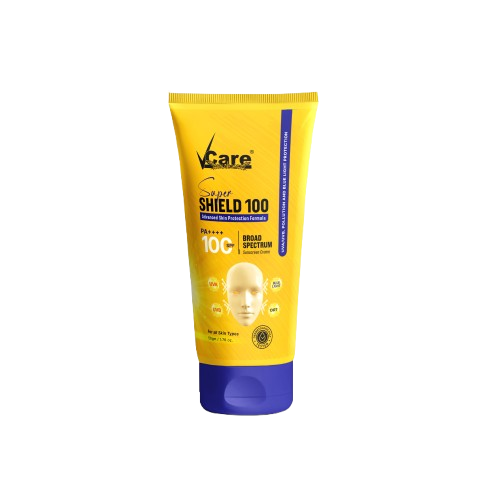
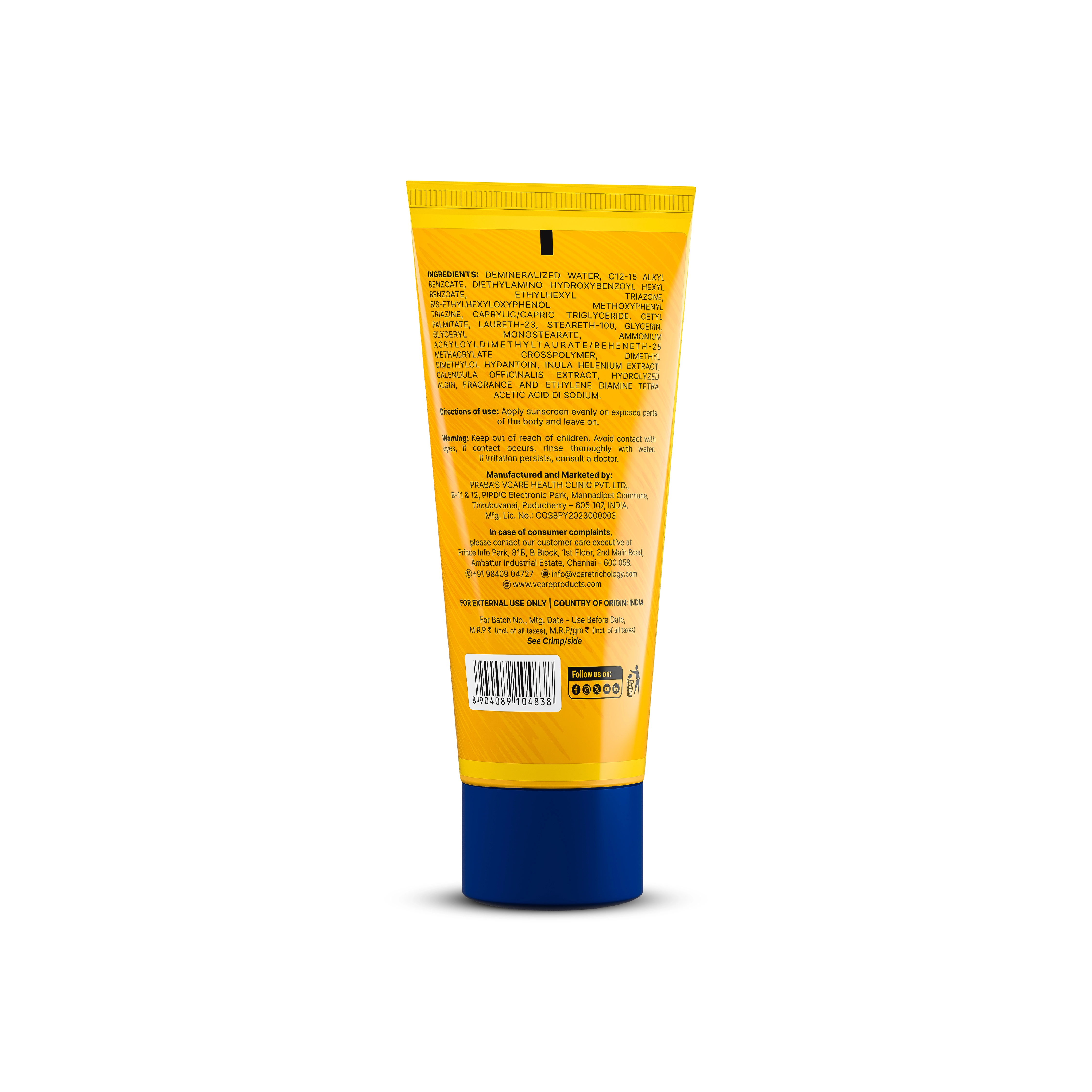
For individuals looking for comprehensive daily protection, VCare Super Shield 100 Broad Spectrum Sunscreen can fit naturally into an indoor and outdoor skincare routine.
Key features include:
PA++++ Defence
Broad Spectrum Protection against UVA and UVB rays
Blue Light Protection
No White Cast
Lightweight Formula
Suitable for Daily Use
Because of its lightweight feel and non-greasy texture, it can be worn comfortably while working indoors, attending meetings, or spending time outdoors.
The goal isn't simply preventing tanning. Daily sunscreen use helps support long-term skin health and minimizes cumulative damage.
Additional Tips to Protect Your Skin Indoors
Use Curtains or UV-Protective Films
Reduce direct sunlight exposure by installing protective window coverings.
Maintain a Consistent Skincare Routine
Include:
Gentle cleanser
Antioxidant serum
Moisturizer
Sunscreen
Stay Hydrated
Proper hydration supports skin barrier function and overall skin health.
Wear Sunscreen Every Morning
Make sunscreen application as routine as brushing your teeth.
Consistency is more important than occasional use.
Common Myths About Indoor Sunscreen
Myth 1: I Don't Go Outside, So I Don't Need Sunscreen
UVA rays can penetrate windows and affect indoor skin exposure.
Myth 2: Sunscreen Is Only for Summer
UV exposure occurs throughout the year.
Myth 3: Darker Skin Doesn't Need Sunscreen
All skin tones benefit from protection against pigmentation and aging.
Myth 4: Makeup with SPF Is Enough
Most people do not apply enough makeup to achieve labeled SPF protection.
Dedicated sunscreen remains essential.
FAQ Section
1. Do I really need sunscreen if I stay indoors all day?
Yes. UVA rays can penetrate windows and contribute to pigmentation and premature aging.
2. Can blue light from screens damage skin?
Current evidence suggests that visible light, particularly high energy visible (HEV) blue light, may contribute to pigmentation and oxidative stress in certain individuals, especially those with melasma and darker skin phototypes. However, the effects are significantly lower than those caused by natural sunlight.
3. Which SPF is best for indoor use?
Dermatologists generally recommend at least SPF 30. Higher SPF options provide additional protection.
4. Do I need to reapply sunscreen indoors?
If you remain away from windows, reapplication may not be necessary. Reapply when exposed to sunlight.
5. Does sunscreen prevent pigmentation?
Regular sunscreen use helps reduce UV-triggered pigmentation and supports treatment outcomes.
6. Can I skip sunscreen on cloudy days?
No. UVA rays can penetrate clouds and continue affecting the skin.
7. Is sunscreen necessary for office workers?
Yes. Offices with windows and natural light can expose skin to UVA rays throughout the day.
Conclusion
So, do you need sunscreen indoors?
In most cases, yes.
Whether you're working near windows, spending hours on digital devices, or trying to prevent pigmentation, daily sunscreen remains one of the simplest and most effective skincare habits.
Consistent protection helps maintain healthy-looking skin, reduces signs of premature aging, and supports an even skin tone over time.
For daily protection, choose a broad-spectrum sunscreen that feels comfortable enough to wear every day. Small daily habits can make a significant difference in your skin's future health.
Loading comments...
You Might Also Like

Aug 18, 2026 · 1 min read
Monsoon Skincare Tips for Healthy, Glowing Skin
Discover simple monsoon skincare tips to manage oily skin, humidity, tanning and pollution while keeping your skin healt...

Aug 18, 2026 · 1 min read
Bamboo Charcoal Peel Off Mask for Blackheads & Pores
Discover how bamboo charcoal peel off masks help remove blackheads, excess oil and impurities for cleaner, smoother-look...

Aug 12, 2026 · 1 min read
VCare Skin Protection Combo | Sunscreen, Soap & Facial Care
Build a simple skin care routine with VCare SPF 100 sunscreen, Goat Milk Soap and Insta Facial 3-in-1 for cleansing and ...